I’d rather not talk about it”,
“it’s complicated”
If this is you, then let’s talk.
“Purpose is about wondering, “was it worth it” to come out and tell people about the struggles that I continue to go through?”

Our story
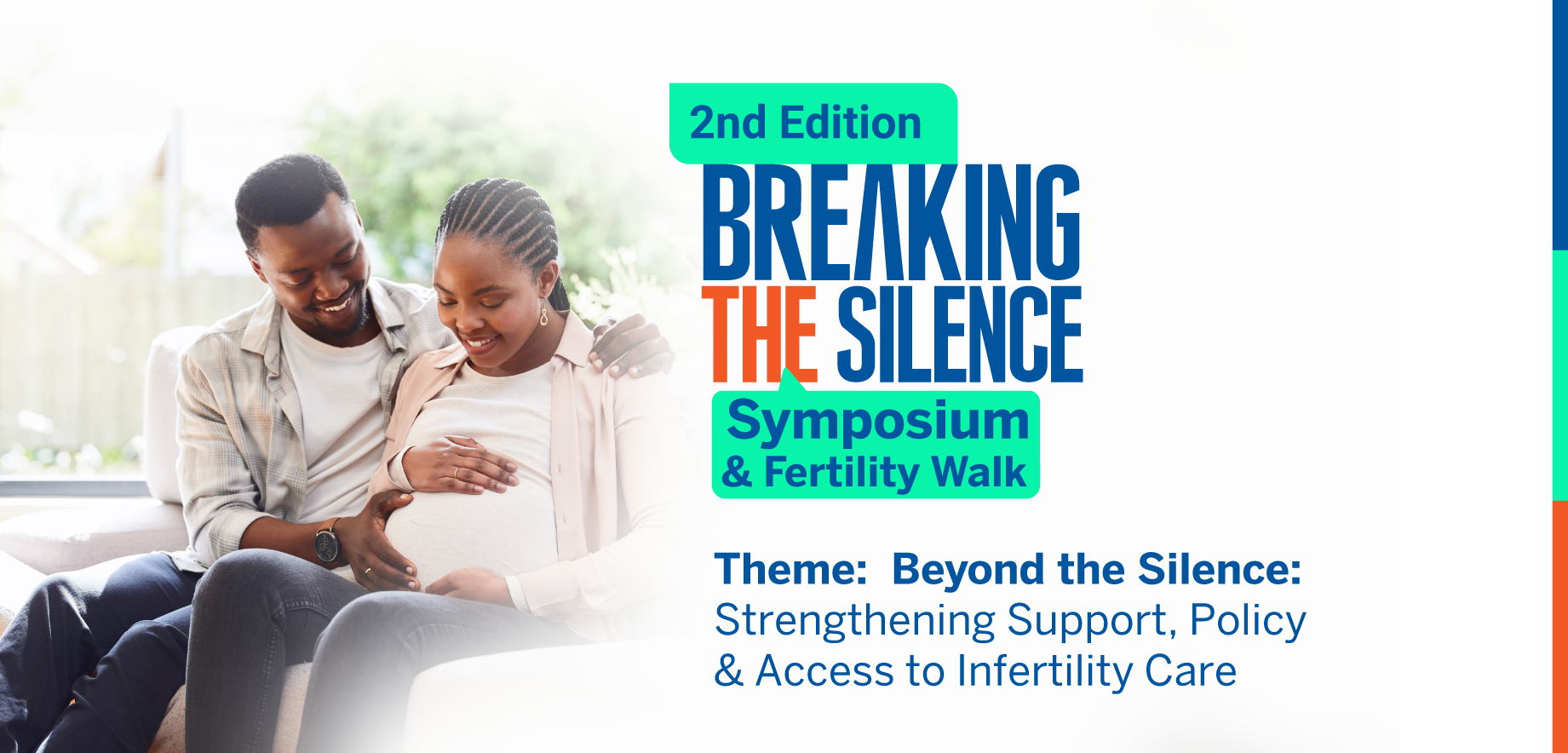
The inspiration behind RHF stemmed from the founder’s experience, journey and learnings while undergoing treatments for infertility.
Through and after the treatment, my interactions with many that had and have similar infertility issues affirmed the need for me to actively take part in addressing the gaps in infertility education, impact on mental health and access to medical interventions.
Educate the broad spectrum of stakeholders with information to build awareness, create “commitment” that breaks the stigma of infertility
Support psycho-social infrastructure that improves the quality of life of individuals with infertility
Enable access to infertility Medical interventions from the grassroots
The impact that you will have on the lives of others is immeasurable
FAQ
If the woman is under the age of 35 and has been trying to conceive for more than one year, we recommend that the couple consult a fertility specialist.
If the woman is over the age of 35 and has been trying to conceive for more than six months, we recommend that the couple consult a fertility specialist.
Yes. Age is the single most important factor that influences a woman’s fertility. A woman is born with all the eggs she will ever have. As a woman ages, her eggs also age, and they diminish in quantity and quality. Currently, there are no methods or treatments available to stop or reverse that process. At age 30, a woman’s chance of conceiving each month is about 20 percent. At 40, it’s about 5 percent.
Yes. The quality of a man’s sperm decreases with age starting at age 40. Declining fertility, however, occurs much more slowly in men than in women.
iN Uganda, most Insurance companies do not cover infertility related tests or treatments
Yes, most Fertility Centers offer egg freezing
Latest Posts
Our Partners